Review: Books and Coffee SVG for Embroidery
As a designer who spends half my life digitizing files and the other half stitching them out, I have learned to look past the glossy preview images. We all know that a crisp vector on a screen does not always translate to a clean finished product on fabric. Recently, I evaluated the Books and Coffee SVG, also marketed as a Book Quote SVG, to determine if it holds up under the needle. This is not just a digital asset; it is a potential cornerstone for your next craft business launch.
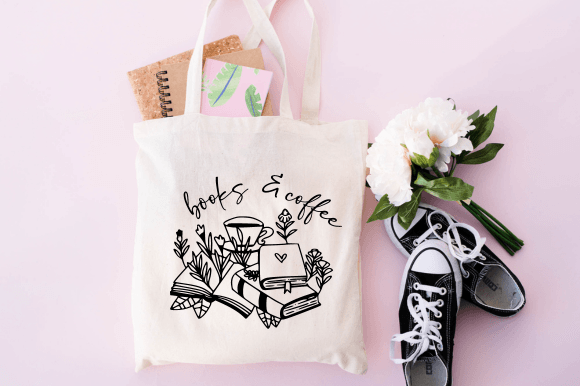
The first impression of this design is one of cozy familiarity. It taps into the "booktok" and literary aesthetic that has dominated social media for years. Visually, the layout balances the rigid geometry of stacked books with the organic curves often associated with coffee cups or steam. For an embroidery designer, this contrast is crucial. It suggests a mix of satin stitch for bold outlines and potentially fill stitch for the book spines or liquid elements. The mood is warm, inviting, and intellectual, making it an ideal candidate for personalized gifts that feel thoughtful rather than generic.
Real-World Application: The Tote Bag Test
To truly understand the viability of this machine embroidery design, I imagined a specific real-life scenario: a custom order for a local bookstore’s autumn event. The client wanted durable, stylish tote bag design options that could withstand heavy use while promoting reading. I visualized placing the Books and Coffee SVG on a thick canvas tote.
In this context, the design shines. Canvas provides the stability needed for denser stitching without excessive puckering. The thematic link between reading and caffeine is strong, ensuring high buyer engagement. However, the success of this project hinges on execution. If the design includes tiny text as part of the Book Quote SVG element, it risks becoming illegible if the stitch density is too high or the thread color lacks contrast against the natural canvas. A practical approach would be to simplify any minute details, perhaps using a running stitch for finer lines to reduce bulk and maintain clarity.
Versatility Across Product Lines
Beyond totes, this graphic offers significant versatility for Etsy sellers and small shop owners. Consider sweatshirt embroidery. A crewneck sweatshirt provides a large, flat surface area perfect for a medium-to-large hoop size. Here, the design can serve as a central chest piece or a larger back print. The soft texture of fleece or cotton blend requires careful attention to stabilizer choice to prevent distortion, but the result is a high-value custom apparel item that commands a higher price point than simple prints.
For those exploring applique design techniques, this SVG format is particularly useful. You could stitch the outline of the books and coffee cup, then layer felt or cotton fabric underneath before trimming. This method reduces stitch count, speeds up production time, and adds a tactile dimension that customers love. It transforms a standard digital embroidery file into a textured handmade product that stands out in a crowded marketplace.
Smaller applications, such as embroidered patch creation or baby embroidery on onesies, require more caution. While the theme is universal, the scale must be adjusted. A complex quote might vanish on a small bib. In these cases, focusing on the iconography—the stack of books and the mug—while omitting intricate text ensures the design remains recognizable and cute. This adaptability makes it a valuable asset for design assets libraries, allowing creators to offer variations for different hoop size constraints.
Navigating Technical Challenges
No design is without its pitfalls. When working with Books and Coffee SVG, you must consider the substrate. Textured fabrics like waffle knit or heavy linen can obscure fine details. If the design relies on thin lines to define book pages or coffee steam, these may get lost in the fabric’s grain. Testing on scrap fabric is non-negotiable. I recommend stitching a sample on the exact material you plan to use for the final product to check for thread breaks or registration issues.
Dark fabrics present another challenge. If the thread colors are not carefully selected, the design can disappear. A dark navy sweatshirt requires bright, contrasting threads for the coffee steam or book titles to pop. Conversely, light fabrics may show shadowing from dense fill areas. Always review your design in black and white mockups to ensure the value contrast is sufficient for visual clarity. This step is vital for maintaining professionalism and ensuring the finished product looks polished.
Additionally, be mindful of curved surfaces like caps. Embroidering on a structured cap requires a specialized frame and often a reduction in design width to avoid distortion at the seams. The rectangular nature of books might warp if placed too close to the cap’s curvature. For holiday embroidery projects, such as pillow covers or kitchen towels, ensure the design is centered and balanced, as these items are often viewed from a distance where symmetry matters.
Commercial Viability and Licensing
For commercial embroidery purposes, understanding the license is critical. The product description mentions "Commercial use," which is a green light for selling physical items like small shop product merchandise. However, always verify if this extends to digital resale. Typically, SVGs are licensed for end-product creation, not for reselling the file itself. Confirming these terms protects your business and builds trust with your customers.
From a branding perspective, this design aligns well with boutiques focusing on literacy, education, or cozy lifestyle goods. It enhances brand consistency by offering a recognizable aesthetic that resonates with a specific demographic. Whether used for wedding gifts for librarian couples or personalized gift baskets for teachers, the emotional connection drives sales. It is not just a graphic; it is a conversation starter.
Final Designer Notes
Before committing to a large production run, take these practical steps:
- Test Stitch Density: Ensure the fill areas are not too dense for lightweight fabrics to prevent stiffness.
- Check Thread Contrast: Use high-contrast threads for text elements to ensure readability.
- Verify Hoop Size: Confirm the design fits within your machine’s maximum hoop dimensions without resizing that compromises quality.
- Inspect Small Details: Zoom in on the SVG to identify any nodes or lines that may be too fine for embroidery and simplify if necessary.
- Use Proper Stabilizer: Match the stabilizer weight to the fabric type to support the stitch structure.
The Books and Coffee SVG is a strong contender for your next embroidery project. It balances aesthetic appeal with practical application, provided you respect the technical limitations of your materials and machine. By treating it as a flexible component of your Crafts and Graphics toolkit, you can create diverse, high-quality items that resonate with customers. Remember, the best designs are those that survive the transition from screen to stitch, maintaining their charm and clarity in the real world.