Reviewing the Positive Quote Svg for Embroidery Projects
As a designer who has spent countless hours digitizing and stitching out files, I approach every new Positive Quote Svg, Believe Quote Svg with a mix of curiosity and caution. We have all seen designs that look stunning on a screen but turn into a tangled mess of thread breaks and puckering once they hit the fabric. When I first opened this file, my immediate impression was one of clean, intentional simplicity. The mood it creates is uplifting yet grounded, avoiding the overly ornate flourishes that often plague motivational typography in the Crafts category.
The visual personality of this design leans toward modern minimalism. For an embroidery project, this is a significant advantage. Complex serifs and tiny decorative elements are the enemies of efficient stitching. This design, however, appears to prioritize legibility and flow. When evaluating Graphics for real-world application, I look for shapes that translate well into satin stitches or clean running stitches. The "Believe" theme suggests a need for clarity, and the layout here supports that by keeping letter spacing open enough to prevent thread crowding while maintaining a cohesive unit.
Real-World Application: The Custom Tote Bag Test
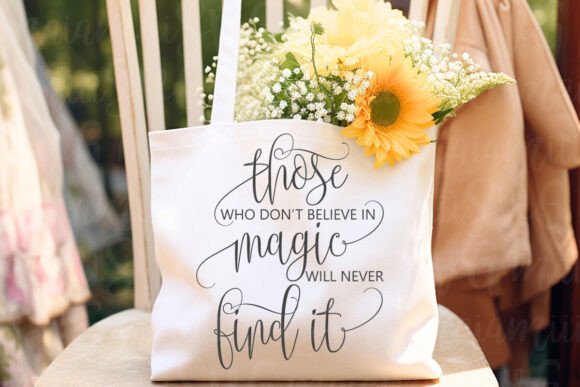
To truly understand the value of a digital asset, you must imagine it on a physical product. I recently worked on a batch of custom canvas tote bags for a local boutique. The client wanted something subtle but impactful—a personalized gift feel without being overly specific to one person. This is where the Positive Quote Svg, Believe Quote Svg shines. I envisioned placing it centered on the front panel of a natural cotton tote.
In this scenario, the design’s balance becomes critical. If the letters are too thin, they disappear into the weave of the canvas. If they are too dense, the bag becomes stiff and heavy. Based on the structure of this file, it seems ideally suited for a medium-density fill stitch or a bold satin stitch border. The result would be a handmade product that feels professional and durable. Customers reacting to such an item are likely to appreciate the tactile quality of the embroidery combined with the positive message. It transforms a simple utility item into a piece of wearable art or a cherished holiday gift.
Versatility Across Apparel and Home Decor
Beyond tote bags, this design offers remarkable versatility for custom apparel. Imagine it stitched onto the left chest of a heavyweight sweatshirt. The contrast between the soft fleece and the structured thread work adds depth to the garment. For sweatshirt embroidery, the key is ensuring the design isn’t so large that it distorts the fabric when worn. This particular quote length fits well within standard hoop sizes, making it accessible for most home machines.
It also works beautifully for baby embroidery projects. A onesie or a burp cloth featuring a gentle "Believe" message can serve as a meaningful baby shower gift. However, when working with smaller items like baby clothes, you must be mindful of scale. The design should be resized carefully to ensure the smallest details remain intact. Similarly, for embroidered patch creation, this svg provides a strong foundation. Patches require high durability and clear outlines, and the straightforward nature of this quote supports both requirements.
For those running a craft business or operating as an Etsy seller, having a versatile design like this in your library is invaluable. It can be adapted for kitchen towel hems, pillow covers, or even aprons. The ability to use one core design across multiple product lines helps maintain brand consistency while reducing the time spent on new digitization.
Navigating Technical Challenges and Fabric Textures
While the design is strong, no file is immune to the quirks of different materials. When using this on textured fabrics like terry cloth or heavy denim, the stitch definition might soften. In these cases, increasing the stitch density slightly or using a contrasting underlay can help the text pop. Conversely, on thin fabric or stretchy materials like jersey knits, the risk of puckering is higher. Here, the choice of stabilizer becomes non-negotiable. A cut-away stabilizer is often safer for stretchy garments to ensure the finished product retains its shape after washing.
Dark fabrics present another challenge. If you are stitching white thread on black fabric, any gaps in the fill stitch will show the background color, potentially breaking up the readability of the quote. I always recommend testing the design on scrap fabric first, specifically in the colors you plan to sell. Check the thread colors against the fabric to ensure sufficient contrast. If the design includes very fine lines, consider whether a running stitch outline might be more effective than a full fill for certain applications, though this depends on the specific digitization which you should verify before purchase.
Designer Notes for Professional Results
Before committing to a large production run or listing a new item in your small shop product lineup, take these practical steps:
- Test on Scrap Fabric: Always stitch out a sample on the exact material you intend to use. This reveals issues with tension, density, and registration.
- Check Hoop Size Compatibility: Ensure the design fits comfortably within your machine’s hoop without hitting the edges, especially if adding other elements later.
- Review Stitch Density: High density can cause stiffness; low density may look sparse. Adjust if your machine allows, or choose appropriate thread weights.
- Inspect Small Details: Zoom in on the digital file. Are there tiny isolated stitches that might pull out? Clean up any unnecessary nodes if you have editing software.
- Mockup in Black and White: This helps you see the structural integrity of the design without the distraction of color.
- Confirm Licensing: Since this is an INSTANT DOWNLOAD digital file, verify the license terms. Ensure you are allowed to use it for commercial embroidery and selling finished physical goods.
Remember, this is a digital cut or print file designed for software like Cricut Design Space and Silhouette Studio. If you are using it for embroidery, you may need to convert it or ensure your embroidery software can interpret the vector paths correctly into stitch data. Always check if the provider offers a native embroidery file format (like PES or DST) or if you are expected to auto-digitize from the SVG. This distinction is crucial for achieving professional results.
Enhancing Brand Value and Customer Trust
Ultimately, the quality of your design assets reflects directly on your brand. Using a well-structured Positive Quote Svg, Believe Quote Svg signals professionalism. It shows that you care about the details, from the initial concept to the final stitch. For buyers, a cleanly embroidered message builds trust. It suggests that the item will last, that the message is sincere, and that the maker is skilled.
In the competitive world of digital product sellers and handmade creators, standing out requires more than just a good idea. It requires execution. This design provides a solid foundation for that execution. Whether you are creating printable mockups for your online store or stitching actual holiday embroidery gifts, the clarity and positive energy of this quote add tangible value. It is not just a graphic; it is a tool for connection. By treating it with the respect it deserves—through careful testing, proper material selection, and thoughtful placement—you elevate a simple phrase into a lasting impression.